
Skin Minimalism and Quiet Beauty. Less Is More

Not long ago the rule was "the more, the better" – 10-step rituals, high acid concentrations and strong retinol. Today dermatologists and cosmetologists say it plainly – skin overworked with cosmetics needs less, not more. Meet Skin Minimalism, micro-dosing and the Quiet Beauty philosophy – three trends that help rebuild the hydrolipid barrier, calm irritation and bring back healthy, radiant skin.
Skin burnout, or where the turn towards simplicity came from
For years the beauty world raved about multi-step Korean skincare and high concentrations of acids and retinol. The result? More and more of us started struggling with so-called skin burnout – a state in which skin becomes red, stinging, dehydrated and prone to blemishes because the hydrolipid barrier is compromised.
The hydrolipid barrier is an invisible "protective wall" made of ceramides, cholesterol and fatty acids. When we damage it with aggressive exfoliation, skin loses water, becomes reactive, and every serum or cream only stings. Sound familiar? That is a sign it is time for a reset.
The good news is that skin can regenerate – it usually needs 2 to 4 weeks of calm for that. Today a completely new approach is gaining ground: Skin Minimalism, micro-dosing and the Quiet Beauty trend focus on quality, moderation and respect for the natural processes taking place in the skin. Find out what this shift is about and how to bring it into your daily routine.
What is micro-dosing in daily skincare
The term micro-dosing is mostly associated with medicine, yet in cosmetics it means exactly the same: using lower concentrations of active ingredients, but with greater regularity. Instead of "attacking" the skin once a week, we give it small, daily portions of support.
An example? Instead of reaching for 15-percent glycolic acid once a week or high retinol concentrations that cause flaking and irritation, micro-dosing proposes gentler doses every day or every second day – e.g. low retinol concentration of 0.25–0.3% instead of 1%, vitamin C at 5–10% instead of 20%, or gentle PHA and mandelic acids instead of strong chemical peels.
| Classic approach | Micro-dosing |
|---|---|
| High concentrations, rarely (e.g. a strong peel once a week) | Low concentrations, regularly (daily / every second day) |
| Fast but short-lived "wow" effect | Gradual, lasting improvement of skin condition |
| Frequent irritation and flaking | Minimal risk of damaging the barrier |
| Skin spends energy recovering from the "shock" | Skin works in its natural rhythm |
Why does it work?
- No inflammation: skin does not waste energy recovering from the "shock" caused by a strong stimulator. Less redness, fewer inflammatory breakouts.
- Better absorption: low concentrations used systematically give deeper and more lasting effects in the long run – especially with pigmentation spots and first wrinkles.
- Safety: you minimise the risk of damaging the epidermal barrier, and therefore of stinging, tightness or a sudden rash of blemishes.
How to start? Choose one active ingredient (e.g. retinol or vitamin C), use it 2–3 times a week for the first two weeks, and only then increase frequency. Watch your skin: slight tingling at first is normal, burning and redness are a signal to slow down. And never combine strong retinol with exfoliating acids in one evening routine.
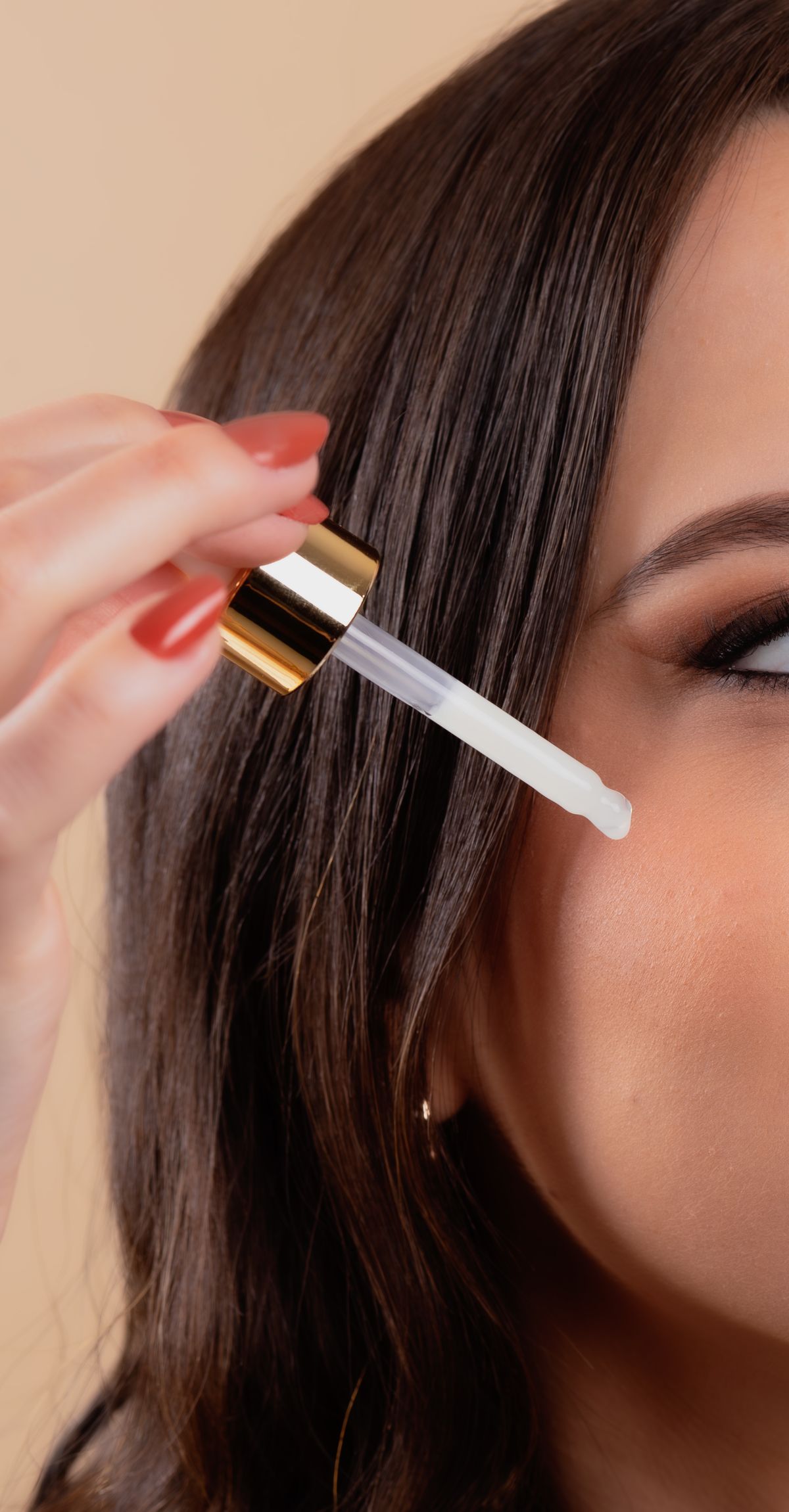
Quiet Beauty – luxury lies in simplicity
The Quiet Beauty philosophy in skincare fits perfectly with the fashion trend of discreet luxury (quiet luxury). It is about moving away from loud promises and dozens of unnecessary products towards thoughtful formulations. Instead of an overflowing cosmetic bag, we choose 3–4 products with powerful yet gentle action.
At the heart of the trend is rebuilding and protecting the hydrolipid barrier. Healthy, moisturised and calm skin looks radiant on its own – with no need for thick layers of makeup. It is also a more ecological and economical approach: you buy less, use products up to the end, and irritate your skin with mistargeted new launches less often.
Three rules of Quiet Beauty:
- Less, but better – every product has a clear role: cleansing, regeneration, protection. No duplicates and no "actives in reserve".
- Biomimetic formulas – ingredients that skin "understands": ceramides, cholesterol, squalane, peptides.
- Consistency instead of novelty – you evaluate effects after 4–8 weeks, not after three days. Skin likes routine.
3 pillars of a modern skincare routine
If you want to simplify your skincare and let your skin breathe, base your daily ritual on three steps. This is the absolute minimum that works for most skin types – from dry, through combination, to sensitive.
1. Gentle cleansing without disrupting pH
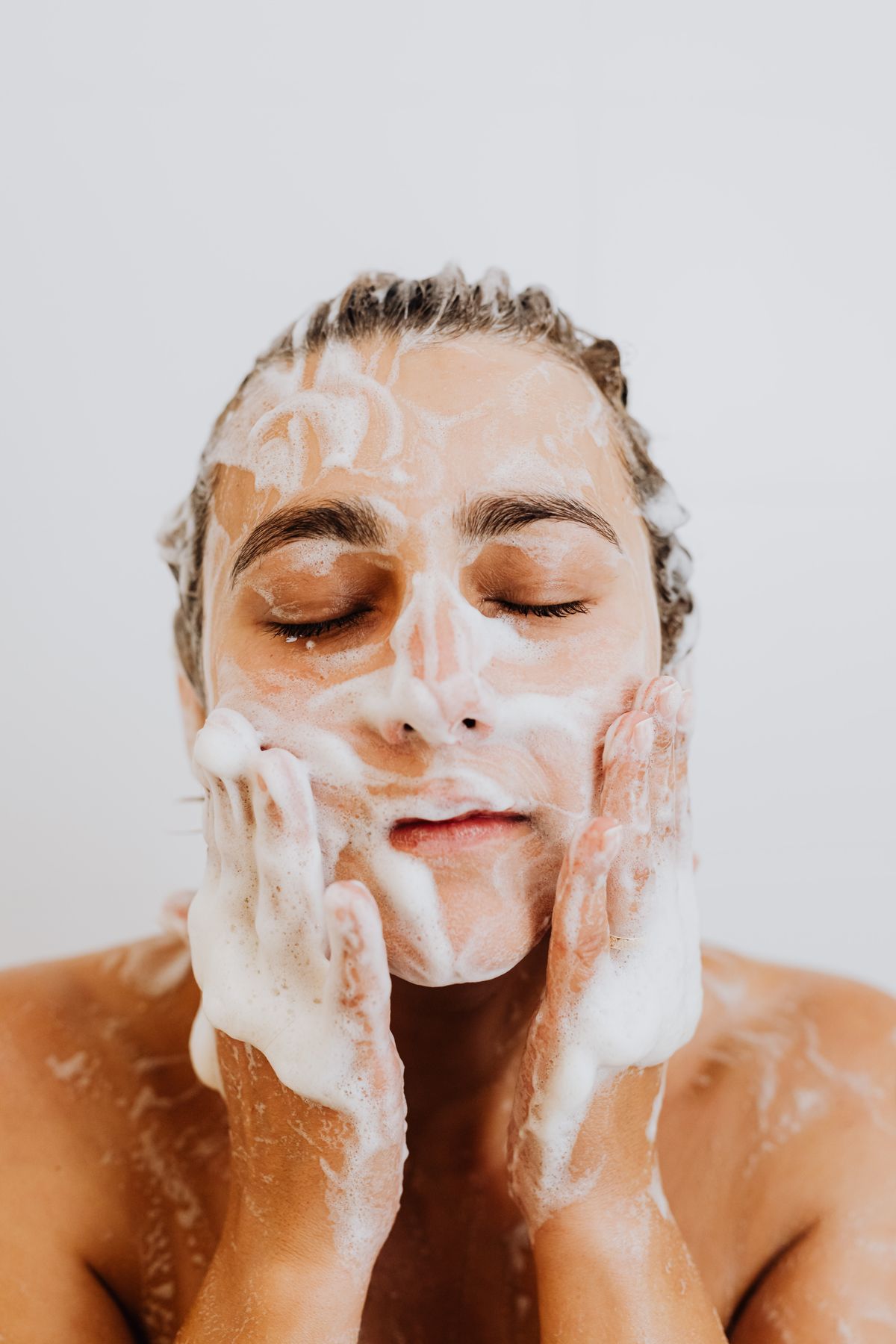
Give up aggressive gels with strong detergents and washing "until it squeaks". Squeaking is not cleanliness, it is a scrubbed-off lipid layer. Choose emulsifying oils, balms or gentle foams with physiological pH (around 5–5.5) that effectively remove makeup and SPF without leaving a feeling of tightness.
- Evening: two-step cleansing – first an oil or balm (dissolves SPF and makeup), then a gentle foam or gel.
- Morning: lukewarm water or a very mild product is usually enough – especially for dry skin.
- Technique: wash your face for about 60 seconds with lukewarm (not hot!) water, using your fingertips. Use the towel only for patting dry.
Avoid: strong sulfates in high concentrations, bar soaps with alkaline pH, hot water and mechanical brushes used daily on reactive skin.
2. Regeneration and strengthening – the kings of ingredients
Choose products rich in biomimetic ingredients – ones that naturally occur in our skin or mimic its structure. They rebuild the "intercellular cement" and calm inflammation:
- Ceramides (NP, AP, EOP) + cholesterol + fatty acids – fill the intercellular spaces and seal the epidermis. Look for them in creams, preferably in proportions close to natural ones.
- Signal and copper peptides – stimulate collagen and elastin production without the irritation typical of strong acids.
- Ectoin, CICA (centella asiatica), panthenol, allantoin – strongly soothing, calm redness and deeply moisturise.
- Low-concentration niacinamide (2–5%) and squalane – support the barrier, regulate sebum and prevent water loss (TEWL).
How to combine? The rule is simple: from the lightest to the richest texture – water serum, then cream. One evening = one main active ingredient. Ceramides and soothing ingredients can be used daily; retinol or acids – following the micro-dosing idea, gradually.
3. Year-round UV protection
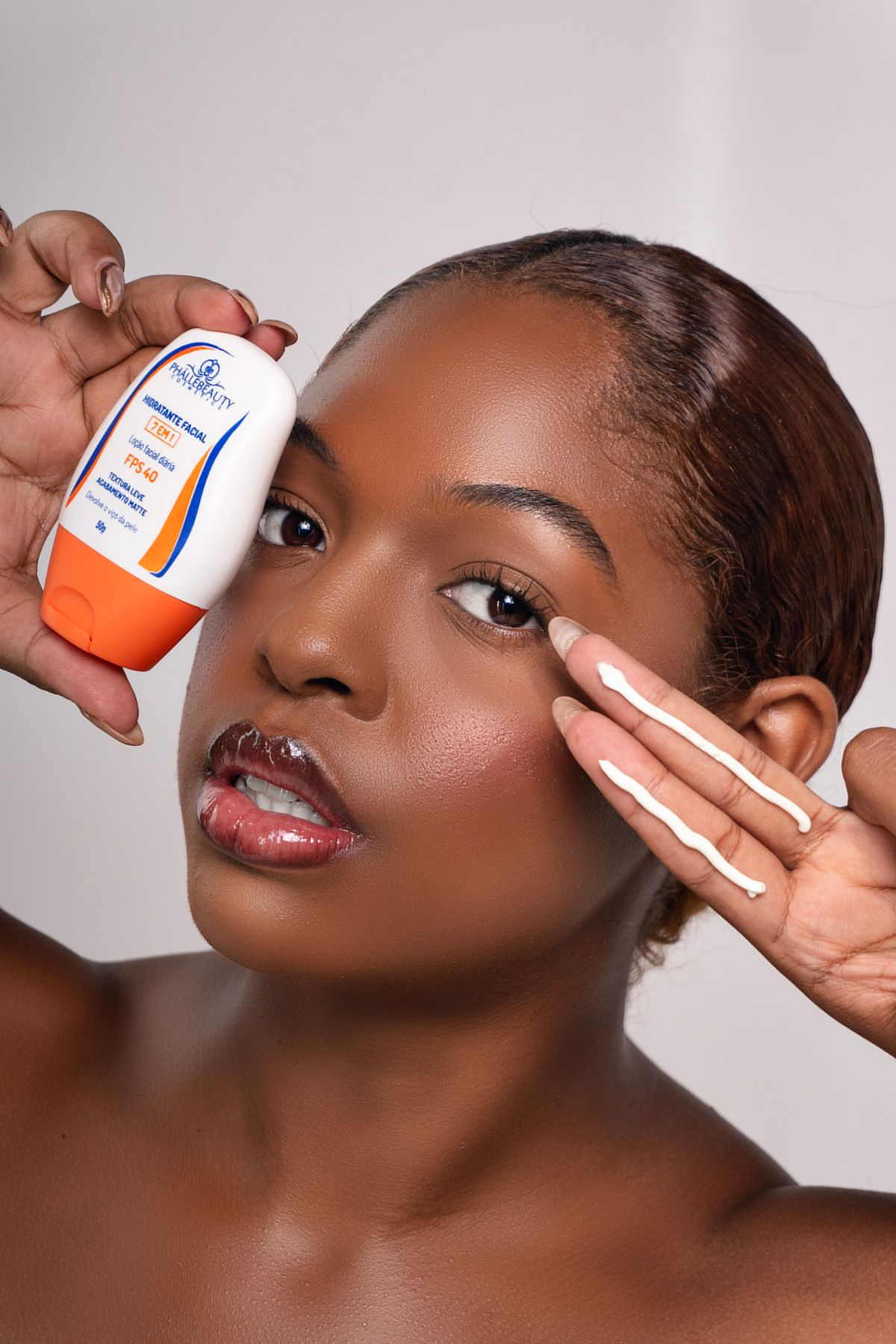
UVA radiation ages the skin all year round – also in winter and through glass. That is why modern sunscreens are the most important "anti-wrinkle cream". Choose light, imperceptible SPF 30–50 formulas, which often combine the function of a moisturiser with protection against UVA, UVB and blue light (HEV).
- Amount matters: about 2 mg per cm² of skin, which in practice means a two-finger portion of cream for the face and neck.
- Reapply during the day – especially in summer, when spending a long time outdoors. SPF mists and sticks make reapplication over makeup easier.
- In winter too: snow reflects radiation, and UVA penetrates clouds. A light filter is the foundation of a minimalist routine.
Read more about the role of the sun in skin ageing in our article about sun protection: Healthy, Young-Looking Skin for Longer.
How to tell if your skin needs a reset
Do you notice these symptoms?
- tightness just after washing with water alone,
- stinging when applying a regular moisturiser,
- a sudden rash of blemishes combined with dry skin,
- shine in the T-zone combined with flaking epidermis,
- makeup "pills" and emphasises dry patches, although it used to be fine.
These are clear signals that the protective barrier has been compromised. Go for cosmetic minimalism for 2–3 weeks: put aside acids, strong retinol, high concentrations of vitamin C and daily sonic brushes. Use only gentle cleansing, a ceramide cream and SPF cream.
Reset plan – morning: lukewarm water or a gentle gel → light ceramide cream → SPF. Evening: oil + gentle foam → regenerating cream. That is all. If the stinging is gone after 3 weeks, bring back actives one by one, in low concentrations. And if redness, swelling or oozing lesions persist – see a dermatologist instead of experimenting.
Sample minimalist routine for morning and evening
You do not need ten products. Here is a proven framework for a Skin Minimalism routine – adapt it to your skin:
- Morning (3 steps): gentle cleansing → moisturising barrier cream (ceramides, squalane) → SPF 30–50.
- Evening (3–4 steps): oil makeup removal → gentle foam → serum with one low-concentration active ingredient (e.g. niacinamide, gentle retinol 2–3 times a week) → regenerating cream.
- Once a week (optional): very gentle exfoliation (PHA, mandelic acid) or a moisturising mask – instead of a strong peel.
Do not judge effects after a weekend. The first calming of irritation is usually visible after 2–3 weeks, evening out of skin tone and improved hydration – after 6–8 weeks of regularity.
5 mistakes that destroy the hydrolipid barrier
- Too many actives at once – retinol + acids + high vitamin C in one evening is a straight path to irritation.
- Daily strong exfoliation – skin does not have time to rebuild; keep peels to 1–2 times a week.
- No SPF – even the best skincare will not work if you give your skin a dose of UVA every day.
- Copying routines 1:1 from the Internet – oily, dry and couperose skin have different needs; test one by one.
- Changing cosmetics too often – give a formula at least 3–4 weeks before deciding it "does not work".
If active ingredients interest you, also see the article Why Use Vitamin C Skincare? – it shows how to add them to your routine without irritation.
Most common questions about Skin Minimalism (FAQ)
Does minimalist skincare work for acne-prone skin?
Does retinol micro-dosing work at all?
How long to wait for barrier reset effects?
Do I really need SPF in winter?
Do I need a toner, an essence and an oil separately?
Summary. Less is more
Skincare in the spirit of Skin Minimalism and Quiet Beauty is not only about saving time and money, but above all respect for the biology of our skin. Gentle cleansing, daily regeneration with ceramides and peptides, and year-round SPF – these three pillars are enough for calm, moisturised and radiant skin.
Remember in short: small doses of actives, but regularly; a maximum of 3–4 products a day; a 2–3 week reset when skin stings; SPF all year round.
And what does your daily routine look like? Count the products on your bathroom shelf today – if there are more than four, your skin may be asking for a reset.
Also read: How to Care for Firm, Youthful-Looking Skin? and Regenerative Medicine, or How to Regenerate Winter-Tired Skin?.